If you are planning a full renovation and an attic conversion is somewhere on the list, the question of when to do it will come up sooner or later. Most people assume they can just tackle it last, once the main house is sorted. In practice, that sequencing causes real problems, and it catches people out more than almost anything else in a phased renovation.
Here is how to think through it properly before you commit either way.
The case for doing the attic first
The strongest argument for converting the attic before anything else is access. The attic conversion trades, structural engineers, carpenters, roofers, electricians, will need to run cables, soil pipes and ventilation ducts down through the house. If your ground floor ceilings and walls are already freshly plastered, tiled and painted, you are asking for trouble. Work coming down from above creates dust and debris that gets everywhere, and running new services through finished rooms almost always means reopening something you just paid to close up.
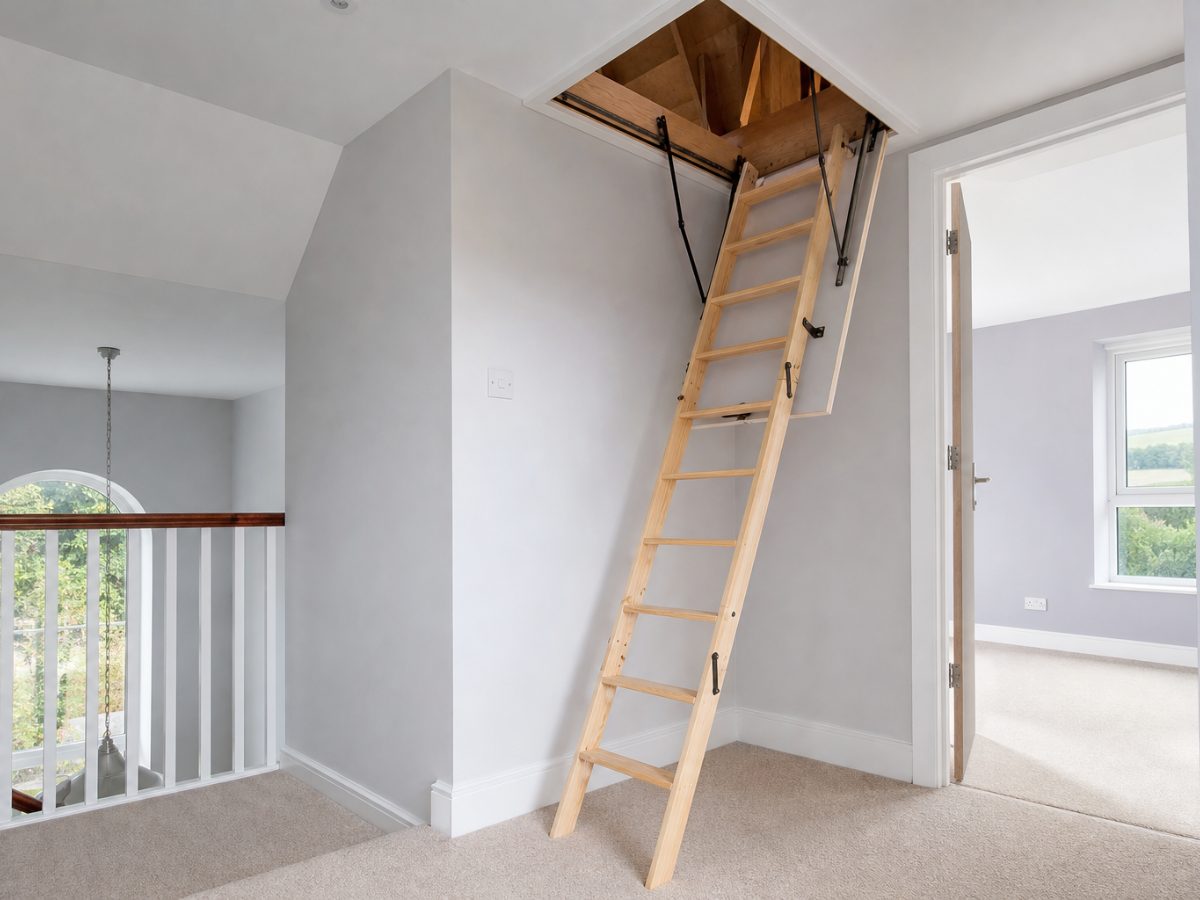
There is also the matter of the staircase. A proper attic conversion needs a fixed stair, and that stair has to land somewhere on the first floor. Deciding where it goes after you have already redecorated the landing, laid new flooring and repositioned a bathroom door is a very different problem to solving it at the start when the house is already stripped back. The earlier you fix that stair position, the less it costs and the less it disrupts everything around it.
Doing the attic early also means you are dealing with one live building site rather than two separate upheavals. If the house is already a mess, the attic work adds relatively little pain. Starting the attic a year or two after the main renovation is done is psychologically brutal, and the practical disruption tends to feel much worse.
The case for doing the attic last
There are situations where waiting makes genuine sense. If your budget only stretches so far right now, and the attic is more of a future upgrade than an immediate need, there is nothing wrong with leaving it until the money is there. Doing it badly because you rushed into it is far worse than doing it properly in a few years.
Leaving the attic until last also gives you time to understand how your family uses the house. Some people are convinced they need an attic bedroom or home office, live in the house for a year and realise the layout they have is actually fine. That is not a reason to defer forever, but it is worth giving yourself some time to be sure before you commit to what can be a significant spend.
If your main renovation involves a structural change to the rear of the house, a kitchen extension for example, there can also be a case for getting planning permission and structural sign-off on the whole lot at once rather than coming back a second time. A good architect or engineer will tell you if the attic and the extension are best treated as one project for planning and structural purposes. For a clearer picture of what planning permission actually covers in these situations, it helps to read up on what planning permission actually covers when you are extending in Ireland.
The honest answer
For most people doing a phased renovation on a family home, the attic conversion belongs as close to the start as you can manage, ideally running alongside or just after any structural work on the main house. The trades overlap naturally, the disruption is contained, and you avoid the very common mistake of finishing beautiful rooms and then tearing into them six months later.
The sequencing decision matters more than most homeowners expect. Get it wrong and you end up paying twice, in money and in stress.