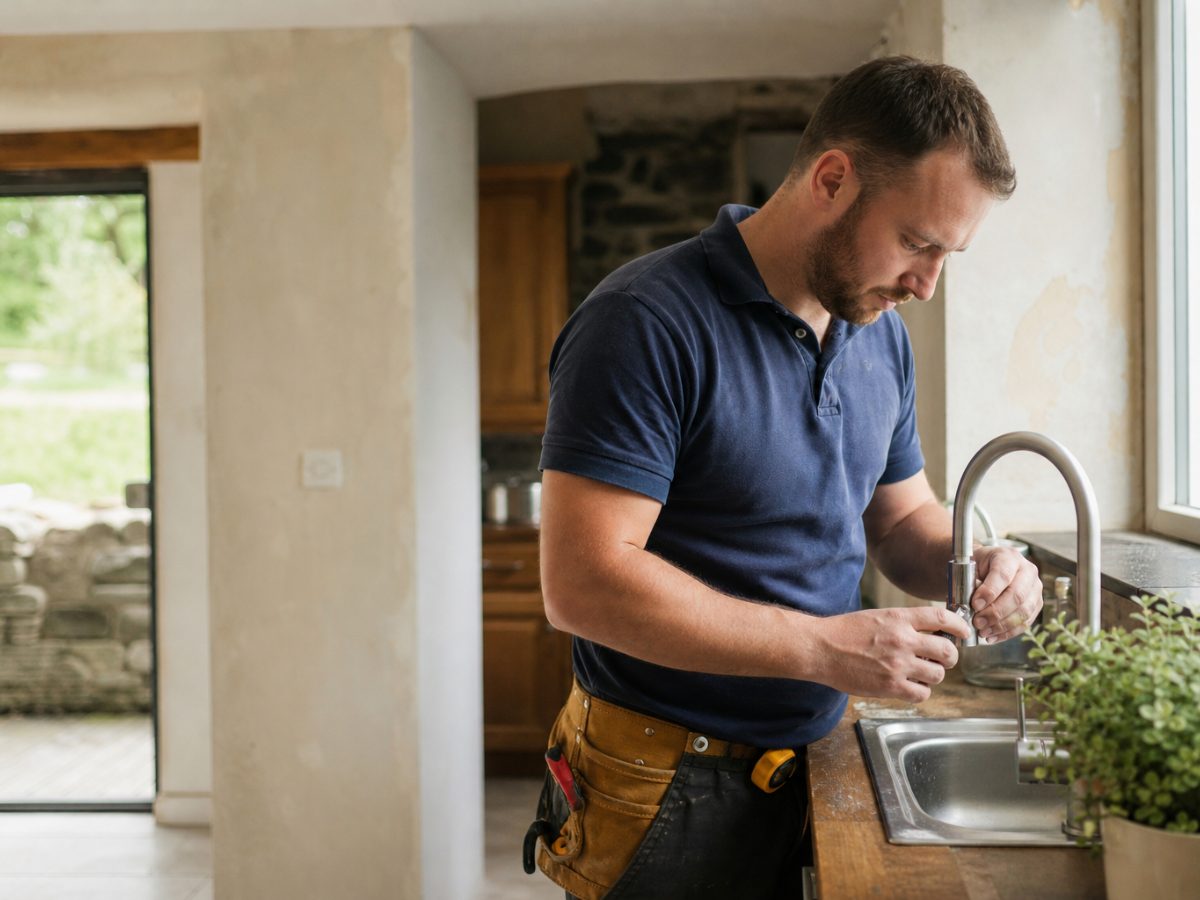
If you live more than thirty or forty minutes from a sizeable town, you already know this problem. You ring around for a plumber, leave three voicemails, get one callback, and that person is booked until sometime next quarter. The shortage of qualified tradespeople is real across Ireland, but in rural areas it bites harder and the usual advice, get three quotes, compare prices, does not always apply when you are lucky to get one person willing to travel.
Here is what actually helps.
Why rural areas feel the squeeze more
A lot of qualified tradespeople trained and settled in larger towns and cities where the work is denser and the commute is shorter. Rural jobs often involve longer drives, sometimes on roads that add serious time to a working day. Some trades will quote a rural job but price in the travel, which is fair. Others simply will not take the call. The result is a smaller pool chasing the same work, and lead times that can stretch to three, four, even six months for non-emergency jobs.
Start with SEAI-registered installers
If your project involves anything grant-related, insulation, heat pumps, solar, or boiler upgrades, you need an SEAI-registered contractor anyway. The SEAI website has a contractor search by county, which at least gives you a starting list. These contractors are vetted to a standard, which matters. The downside is that demand for SEAI work is high right now, so registered installers in rural counties are often as booked out as anyone else. Ring early, explain what you need, and ask to be put on a waiting list rather than just leaving a voicemail.
For boiler work specifically, understanding what a combi boiler installation should actually cost before you start ringing around will help you judge whether a quote is fair or inflated to cover the inconvenience of your location.
Local co-ops and community networks
In parts of rural Ireland, agricultural co-ops and community development organisations occasionally maintain lists of local trades. It is not universal, but worth a phone call to your local development company or even the GAA club notice board. Word of mouth in a rural area travels differently than it does in a city, and a recommendation from a neighbour two parishes over can be more reliable than an online review.
Before you book anyone based on a personal recommendation, it is still worth doing proper checks. Vetting a tradesperson properly matters just as much in a rural context, even if your options feel limited.
Plan for longer lead times than you think
This is the blunt truth. If you have a rural project in mind for spring, start making calls in January at the latest. Emergency work is different, but planned renovations need a longer runway. Add a buffer on top of whatever lead time you are quoted, because rural tradespeople often cover a wide area and delays from another job can push yours back with little notice.
Get any agreement in writing, even a simple text chain confirming dates, scope and price. It protects you both and makes rescheduling conversations a lot cleaner.